


By Tyler Rossi for CoinWeek …..
What to Look for in Pocket Change and While Coin Roll Hunting
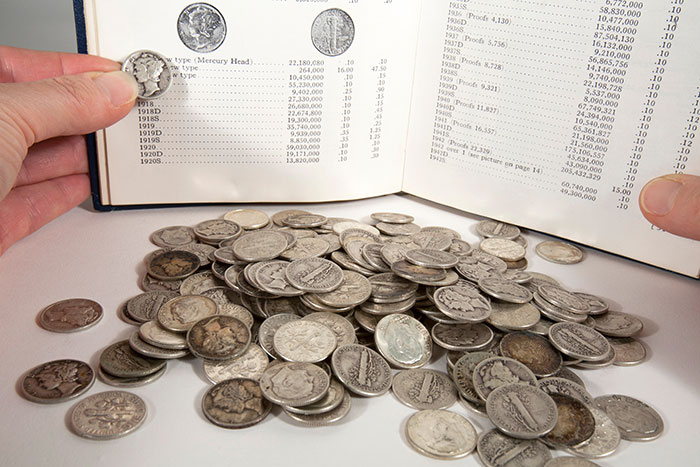
Coin collectors often start with the simplest source of treasure: pocket change. Everyday circulation still produces surprising discoveries for anyone willing to look closely. While truly rare finds remain uncommon, several types of coins regularly appear in circulation and coin rolls.
Collectors who search carefully can still find attractive coins, discontinued designs, silver coinage, and even dramatic mint errors. Each category offers the potential for value and the thrill of discovery.
Below are the key types of coins worth pulling from circulation.
Look for High-Grade Coins with Eye Appeal

The first category includes high-grade coins and Proof coins with strong eye appeal.
Finding a true Mint State coin while coin roll hunting happens very rarely. However, collectors often encounter coins that come close. These pieces may show strong luster and minimal wear.
Two common situations produce these finds. First, a bank roll may come from an original mint wrapper filled with freshly struck coins. Second, someone may deposit a collection into circulation. Both scenarios happen more often than collectors might expect.
Proof coins also occasionally appear in circulation. These coins normally come from collector sets produced by the U.S. Mint. When they enter circulation, a family member often inherited them from a deceased relative and spent them without realizing their value.
This situation highlights an important lesson for collectors. Always keep clear and updated records of your collection so others understand its value.
Collectors should also act quickly when they spot high-grade or Proof coins in circulation. Circulation damage reduces their value rapidly. Even light wear can destroy the premium attached to Mint State or Proof condition.
Pull Coins with Discontinued Designs
Another important category includes coins with discontinued designs that still circulate today.
Most examples show heavy wear. As a result, many pieces sell for only $1 to $5. However, collectors sometimes find better-preserved examples worth much more.
The average lifespan of a circulating coin runs about 30 years. Still, older coins frequently reappear. Some pieces remain stored for decades before returning to circulation. When that happens, they may appear in surprisingly strong condition.
Collectors occasionally find earlier U.S. coin types while searching rolls or pocket change. These include:
- Buffalo nickels
- Shield nickels
- Mercury dimes
- Standing Liberty quarters
- Indian Head cents
Even circulated examples of these coins often sell for $15 to $35 or more.
Watch for Older Wheat Cents
Collectors should also pull pre-1930 Lincoln Wheat cents whenever they appear.

Many of these coins approach their 100th anniversary. As a result, fewer attractive examples remain in circulation.
Most pieces sell for about 25 to 50 cents at local coin shops. However, slightly better circulated examples can bring between $1 and $5.
Collectors should also set aside Lincoln cents dated 1955, because some may display the famous 1955 Doubled Die Obverse (DDO) error.
Additionally, keep any 1943 steel cents struck during World War II. These wartime coins remain popular with collectors.
Check for Pre-1964 Silver Coins
The next category includes all 90% silver U.S. coinage.

These coins include:
- Dimes
- Quarters
- Half dollars
The United States Mint produced them with 90% silver until 1964. Beginning in 1965, the Mint introduced copper-nickel clad coinage for circulation.
Collectors who search rolls often find more silver dimes than silver quarters. Rolls of half dollars can produce the most silver overall, but banks often carry very few half dollars today.
Even so, silver coins rarely appear in circulation today. Much of the remaining supply disappeared decades ago.
Collectors usually treat these coins as bullion rather than collectibles. For that reason, the hobby commonly calls them “junk silver.” Dealers buy and sell them based on their metal content. [See Note Below]
As of March 14, 2026, silver traded at $81.13 per ounce. At that price:
A 90% silver dime contains about $5.87 in silver
A 90% silver quarter contains about $14.67 in silver
A 90% silver half dollar contains about $29.34 in silver
Later 40% silver Kennedy half dollars (1965-1970) contain about $12.00 in silver.
NOTE: Most dealers used to buy junk silver for about 3% to 5% below melt value and sell it for 3% to 5% above melt value. However right now, many dealers are selling 90% silver below spot and some are only offering about 75% of spot to buy. The problem is volitility and the inability to lock in prices with refiners. But that is a different story.
A Quick Way to Identify Silver Coins
Collectors can save time by checking coin edges.
Modern clad coins show a visible copper core along the edge. By contrast, silver coins display a solid silver-colored edge with no copper stripe.
If a coin shows a completely silver edge, it likely contains silver or comes from a foreign mint.
Watch for War Nickels
Collectors should also check Jefferson nickels carefully.
If the mint mark appears above Monticello on the reverse, the coin belongs to the 1942-1945 “War Nickel” series. These coins contain 35% silver.
Look for Dramatic Error Coins
Error coins represent the final category worth searching for in pocket change.
Most mint errors carry little value. Minor off-center strikes or small planchet flaws often sell only for face value.

However, dramatic errors can command serious premiums.
Collectors should watch for:
- Off-metal strikes
- Large off-center strikes
- Lamination errors
- Die clashes
- Blank planchets
- Double-struck coins
Some famous examples bring extraordinary prices. The 1943 copper Lincoln cent and the 1965 silver dime struck in error have each sold for thousands of dollars.
These major errors appear rarely, but they still surface from time to time.
Coin roll hunters continue to find smaller errors as well. Examples include lamination errors, off-center strikes, die clashes, blank planchets, and double-struck coins. One collector even sold a Washington quarter with a roughly 75% delaminated obverse for more than $30.
Coin Roll Hunting Still Delivers the Thrill of Discovery
Searching pocket change and coin rolls rarely produces life-changing finds. Still, the hobby delivers both enjoyment and occasional profit.
Many collectors earn small amounts over time. Some hobbyists report earning several hundred dollars through years of searching circulation.
More importantly, the activity offers hours of entertainment and the excitement of discovery.
Whether you check the coins from a store purchase or search rolls from the bank, the next handful of change might contain something unexpected.
Yoast SEO Focus Keyword: coin roll hunting
SEO Title: Coin Roll Hunting: What Coins to Look for in Pocket Change
Meta Description: Learn what coins to look for while coin roll hunting, including silver coins, Wheat cents, error coins, and discontinued U.S. coin designs still found in circulation.
Sources
Potter, Ken, and Brian Allen. Strike It Rich with Pocket Change: Error Coins Bring Big Money. (2021)
* * *
Updated and reformated by CoinWeek – March 2026
The post Rare Coins Worth Money You Can Find in Pocket Change appeared first on CoinWeek: Rare Coin, Currency, and Bullion News for Collectors.